In today’s competitive manufacturing world, speed, safety, and efficiency are everything. Whether
you run a warehouse, production unit, logistics hub, or export facility, packaging plays a major role
in your final delivery quality. This is where a strapping machine becomes an essential investment.
At Millenium Packaging Solution, we understand the needs of modern manufacturing plants. Our
advanced strapping machine range is designed to improve packaging speed, reduce manual labor,
and secure products with precision.
What is a Strapping Machine?
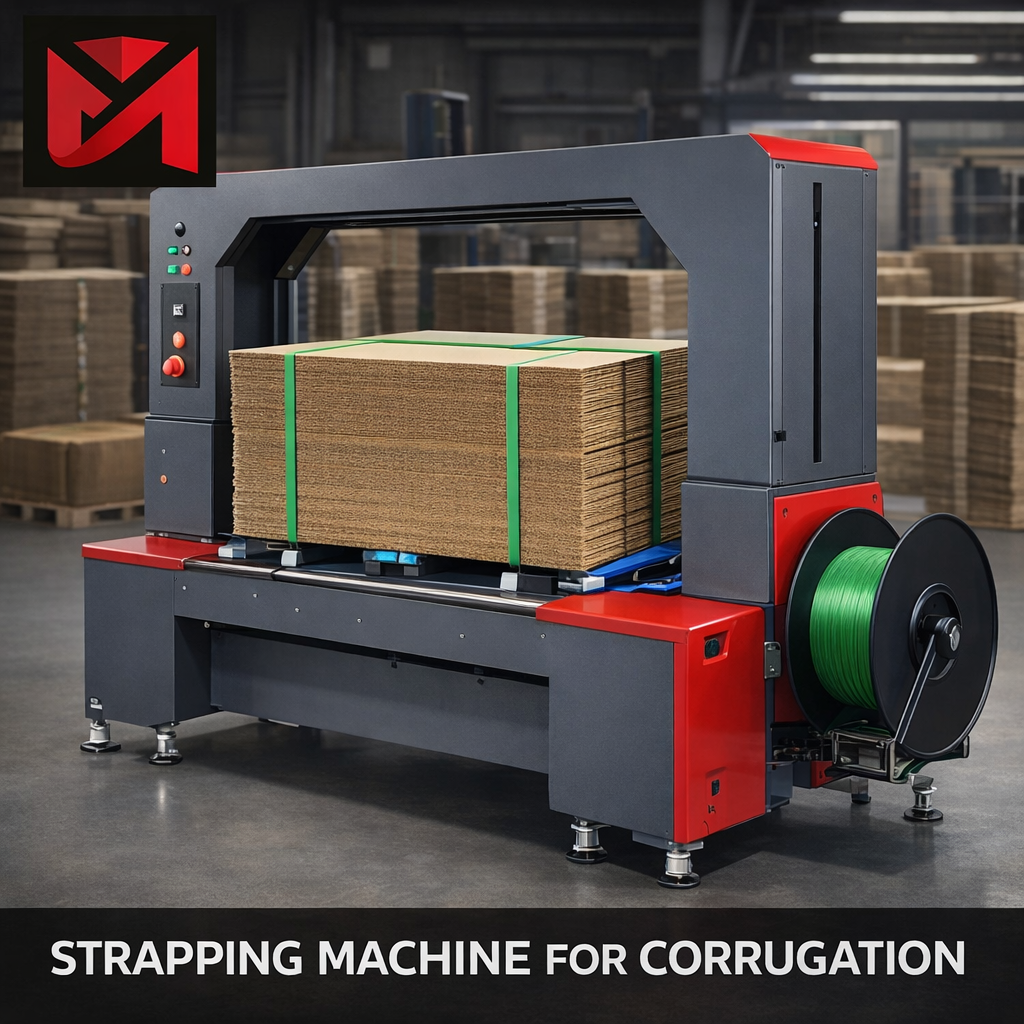
A strapping machine is used to tightly secure cartons, boxes, pallets, and industrial goods using
plastic or polyester straps. It ensures products remain safe during storage, loading, and
transportation.
For plant directors, this means fewer damages, faster dispatches, and better operational efficiency
Why Manufacturing Plants Need a Strapping Machine
- Faster Packaging Output
Manual packaging takes time. A high-performance strapping machine can strap hundreds of
packages quickly, helping plants meet dispatch deadlines. - Reduced Labor Cost
Automation minimizes dependency on manual workers and increases consistency. - Safe Transportation
Loose cartons often get damaged in transit. A quality strapping machine keeps products secure
from factory to destination. - Professional Packaging Standards
Well-strapped products create a strong impression on distributors, dealers, and customers
Why Choose Millenium Packaging Solution?
Millenium Packaging Solution manufactures reliable and durable strapping machine models for
industries across India. Our machines are trusted by manufacturers for:
- Heavy-duty performance
- Low maintenance design
- Easy operation
- Long machine life
- Fast nationwide delivery
Ideal Industries for Strapping Machine Use
- FMCG Manufacturing
- Automobile Parts
- Electronics
- Pharmaceutical Units
- Textile Factories
- Corrugated Box Plants
- Export Warehouses
Final Thoughts
If your plant still depends on manual packaging, now is the time to upgrade. A modern strapping
machine can save time, reduce costs, and improve dispatch quality instantly.
Choose Millenium Packaging Solution for dependable packaging automation that drives factory
growth.
Looking for the best strapping machine for your plant? Contact Millenium Packaging
Solution today.