Author name: bhardwajrinkusharma@gmail.com

Uncategorized

Vacuum Packaging – A Smart Solution for Product Protection

Introduction Maintaining product quality during storage and transportation is a major challenge for many industries. Vacuum packaging offers an effective solution by preserving freshness and protecting products from external damage. What is Vacuum Packaging? Vacuum packaging is a process where air is removed from the package before sealing. This creates a controlled environment that helps in preserving the product for a longer time. How Vacuum Packaging Works The process is simple and efficient: This method ensures that the product remains protected from air, moisture, and contaminants. Key Benefits 1. Extends Shelf Life By removing air, vacuum packaging slows down the growth of bacteria and prevents spoilage, especially in food products. 2. Protects Product Quality It protects items from moisture, dust, and oxidation, maintaining their original condition. 3. Saves Storage Space Vacuum-packed products occupy less space, making storage and transportation more efficient. 4. Improves Product Presentation The packaging looks clean, compact, and professional, which enhances the overall appeal of the product. 5. Reduces Waste Longer shelf life and better protection lead to less product damage and reduced waste. Common Applications Vacuum packaging is widely used in: Types of Vacuum Packaging Machines Conclusion Vacuum packaging is a reliable and cost-effective solution for businesses looking to improve product safety, extend shelf life, and enhance presentation. It is an essential tool for maintaining quality in today’s competitive market.

Uncategorized

Why End-of-Line Packaging is Important for Modern Businesses

Introduction In today’s competitive market, delivering a quality product is not enough. The way a product is packed and presented plays a crucial role in customer satisfaction and brand value. This is where end-of-line packaging solutions become essential for businesses. What is End-of-Line Packaging? End-of-line packaging refers to the final stage of the production process where products are prepared for storage and transportation. This stage typically includes: These processes ensure that the product is securely packed and ready for safe delivery. Why It Matters 1. Improves Operational Efficiency Automated packaging machines significantly reduce the time required to pack products. This helps businesses handle higher production volumes without delays. 2. Reduces Labour Dependency Manual packaging requires more workforce and is prone to human error. Automation minimizes these issues and ensures smooth operations. 3. Ensures Consistent Packaging Machines provide uniform packaging for every product, which enhances brand consistency and professionalism. 4. Enhances Product Safety Proper sealing and strapping protect products from damage during handling and transportation, reducing losses and returns. 5. Supports Business Growth Efficient packaging systems allow businesses to scale operations and meet increasing demand without compromising quality. Industries That Benefit End-of-line packaging solutions are widely used in: Conclusion End-of-line packaging is no longer optional for growing businesses. It improves efficiency, reduces costs, and ensures product safety. Investing in the right packaging solutions can make a significant difference in overall business performance.

Uncategorized

Everything You Need to Know About Strapping Machines (Before You Buy One)

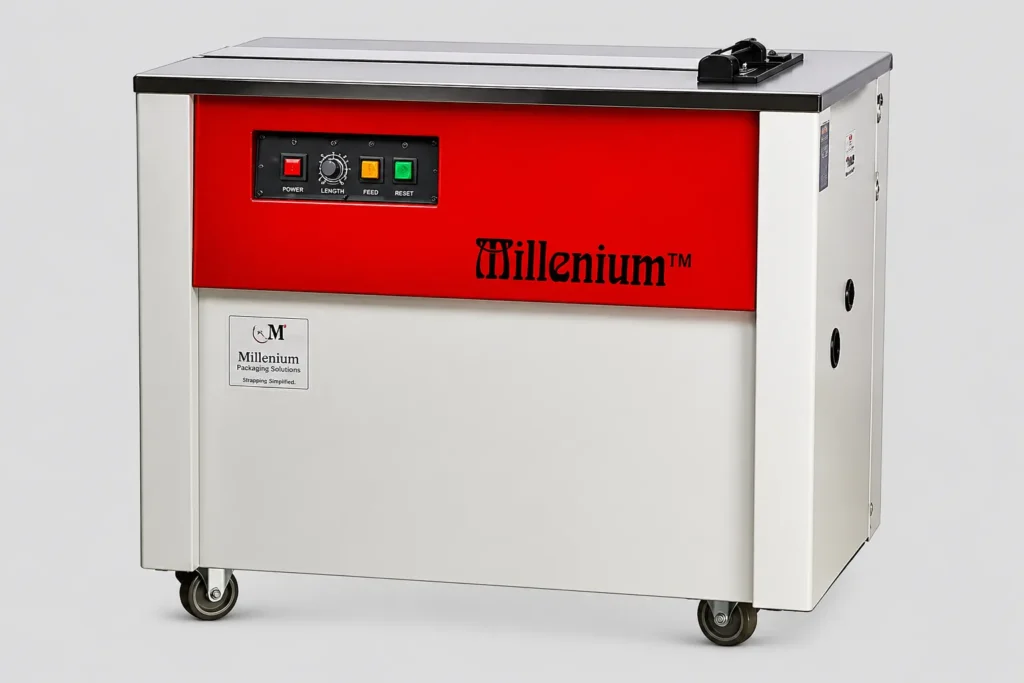
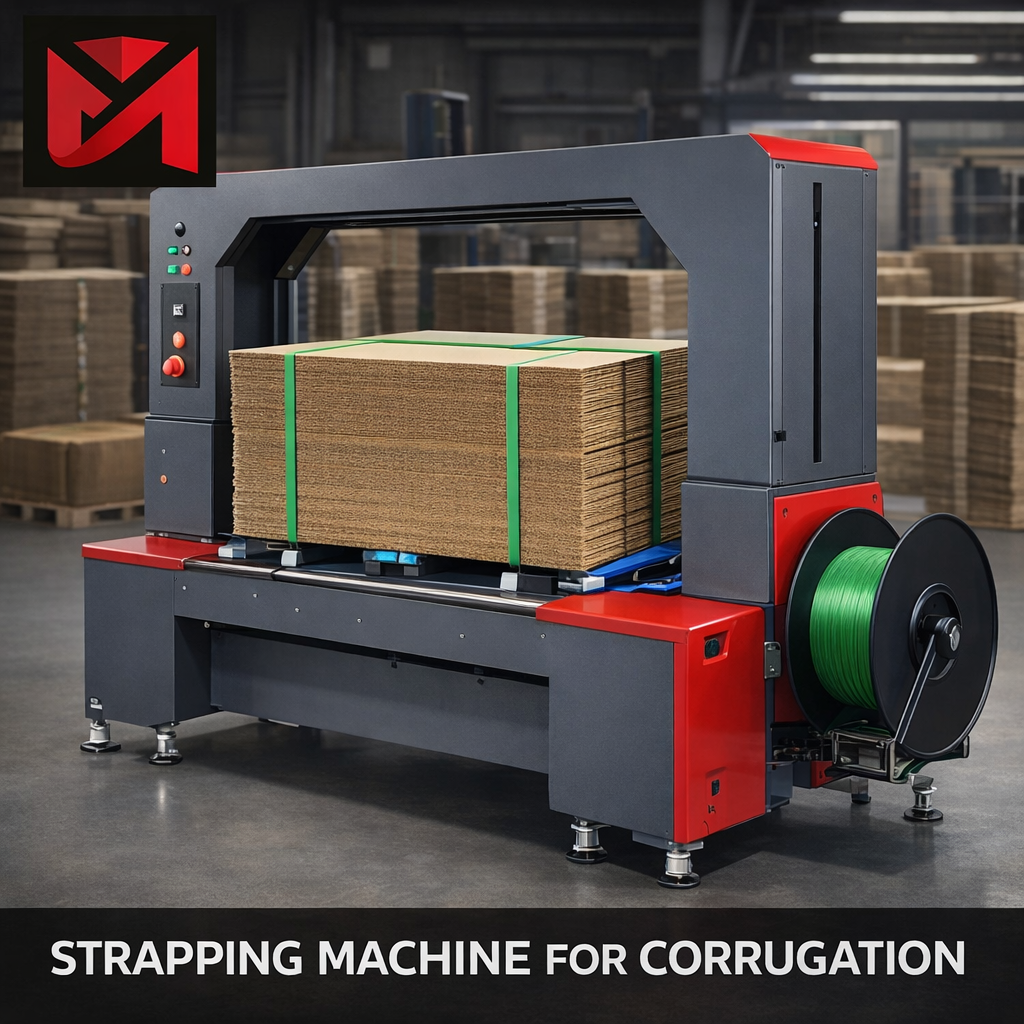
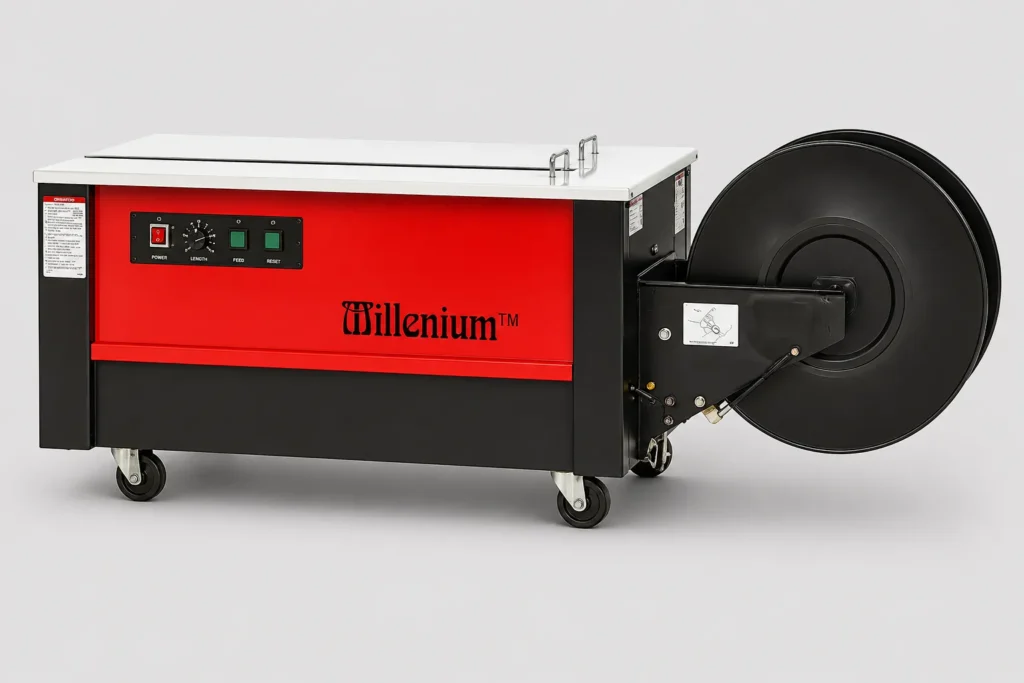
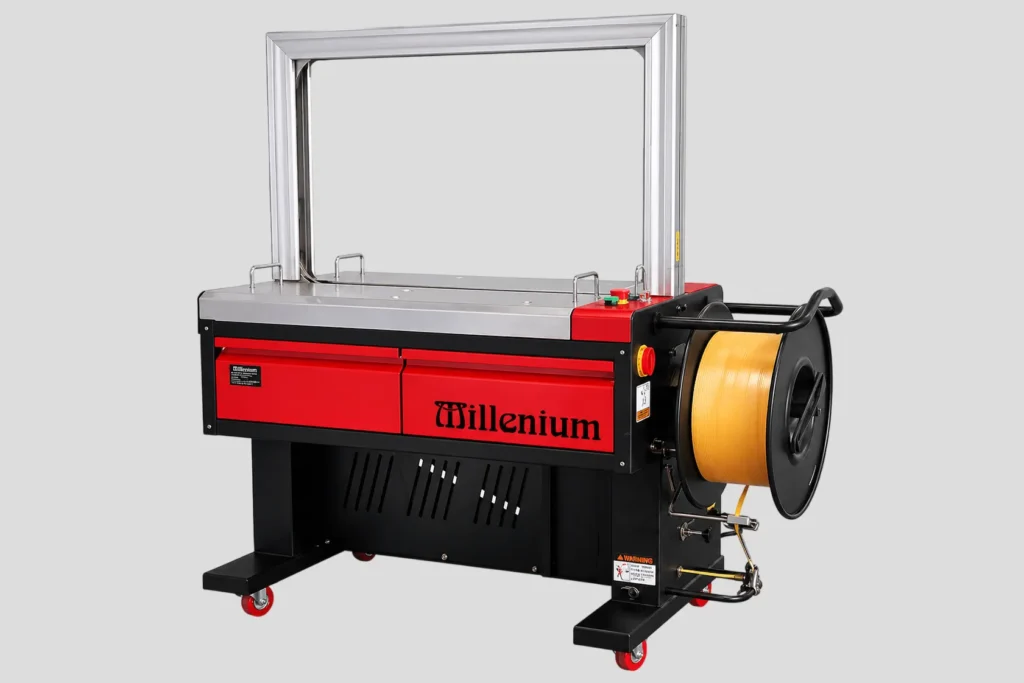
Introduction Let’s be honest — most people don’t think about strapping machines until something goes wrong. A pallet shifts in the truck. A bundle opens up mid-transit. Products arrive damaged and a customer complaint lands in your inbox. At that point, you start asking the right questions. What kind of strapping machine do I actually need? What’s the difference between PP and PET strap? Is it worth going fully automatic, or is a semi-automatic machine enough for my volumes? This post is our attempt to answer all of that — clearly, without jargon, and without trying to sell you the most expensive option. We’ve been in the packaging industry for over two decades, and we’ve seen what happens when businesses choose the wrong machine. What Is a Strapping Machine? A strapping machine is a packaging device that applies a strap (plastic or steel) tightly around a product, bundle, or pallet. It tensions the strap, seals it, and cuts the excess. The effectiveness depends on: There is no one-size-fits-all solution. Types of Strapping Machines 1. Semi-Automatic Strapping Machines Best for:Warehouses, e-commerce, print houses, mid-volume packaging 2. Fully Automatic Strapping Machines Best for:FMCG, large distribution centers, manufacturing plants 3. Heavy-Duty Strapping Machines Best for:Steel, timber, stone, heavy machinery 4. Portable / Battery Strapping Tools Best for:Large, irregular, or outdoor loads Strap Materials Explained PP Strap (Polypropylene) PET Strap (Polyester) Steel Strap 5 Questions Before Buying Common Problems & Solutions Regular maintenance prevents major issues. Is It Worth It for Small Businesses? Yes, in many cases. Manual strapping: Semi-automatic machines: Even small businesses can benefit significantly. The Bottom Line A strapping machine is essential for secure packaging and smooth operations. Choosing the right one depends on: Millenium Packaging Solutions provides: They also offer after-sales support and guidance. Call to Action:Have a packaging challenge? Let’s solve it together.Talk to Millenium Packaging Solutions for expert advice and the right machine.

Scroll to Top